Bacus Vineyards
About the winery
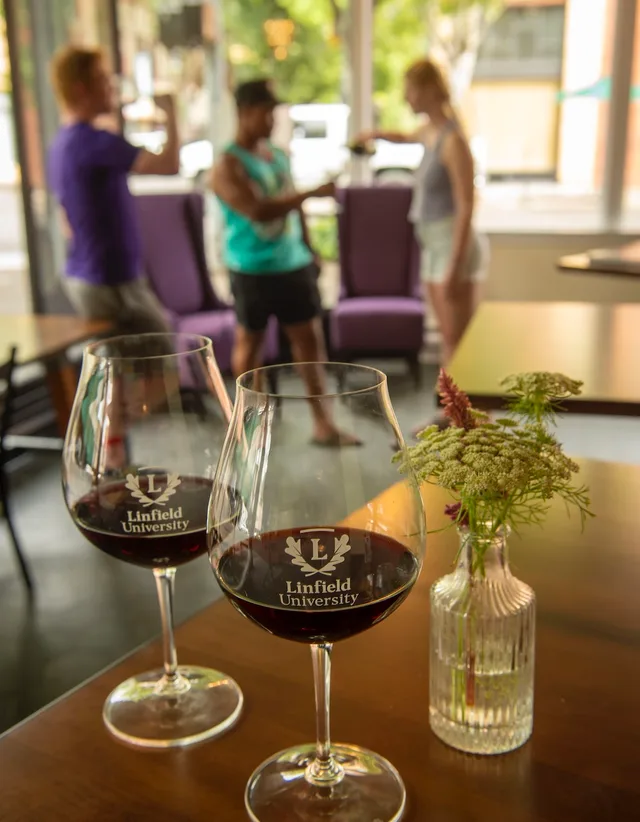
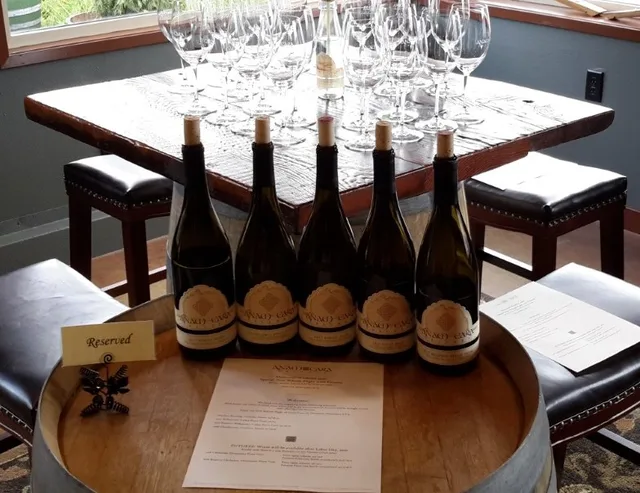
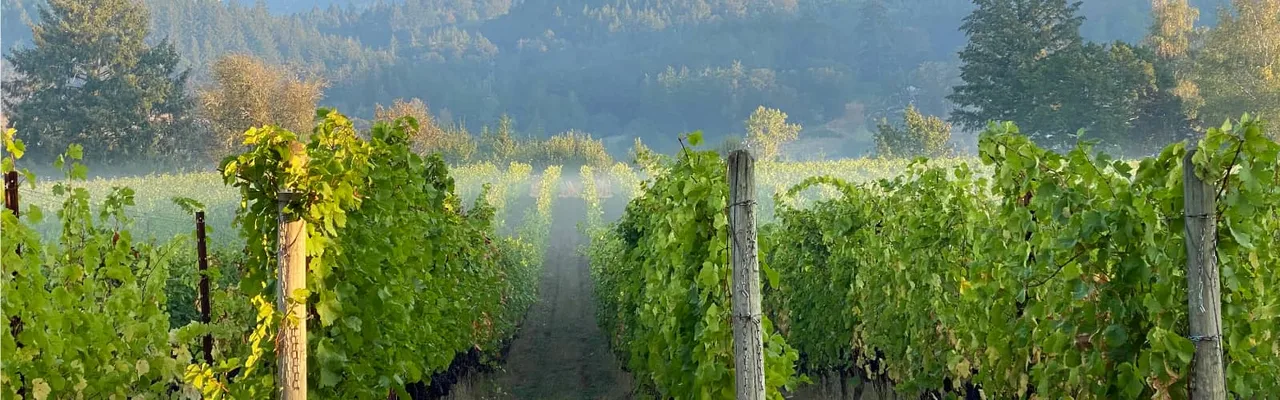
Savor our wines in the inviting and relaxing atmosphere of our Newberg tasting room nestled in the vineyard. Our selection of wines are made from organically farmed grapes and express Chehalem Mountains AVA terroir. Enjoy onsite wine events, browse the art gallery, indulge in a sensory tasting experience, have a picnic outside, or call ahead to have a charcuterie plate made for your party.
Recent news
- ReleaseDeveloping Fitter Cultivars
Diverse pathogens have an adverse affect on commercial grapevine yield impacting fruit and wine quality. European evolved vitis vinifera lacks genetic resistance to North American evolved pathogens. In order to achieve stable yields and good quality fruit, grapevines are farmed with the intensive application of fungicides during the growing season. Fungicide application has negative consequences on the environment, is associated with health hazards for field workers and consumers of grapes and wine. The approach of replacing conventional grapevine cultivars with pathogen resistant cultivars is the most sustainable alternative for farmers to pursue, but doing so using conventional plant breeding techniques requires a substantial time commitment from growers (about 25-30 years per cultivar). Bringing a new cultivar to market can take decades, and is such a challenge that it tests the ingenuity, patience, and persistence of commercial plant breeders. Frequently the resulting disease resistant cultivars make mediocre wine making it difficult for growers to sell and creating negative incentives for farmers looking to achieve sustainability. Vegetative propagation is the simplest and most effective way of propagating grapevines, so the industry isn’t self-correcting (although it could). Introgression Wild grapevines co-evolved with pathogens in North America and developed desirable genetic resistance traits to those pathogens. In order to equip European varieties with equivalent genetic resistance to these pathogens, crossbreeding is used to transfer resistant genes from wild grapevine relatives to winemaking cultivars. Introgression involves crossing a wild vine with a desirable resistance trait with a winemaking cultivar. The recipient plant undergoes several backcrosses to the winemaking cultivar along with recurrent selection of the desired resistance trait to get the winemaking quality as close as possible to the original. For a woody crop like grapevine with a lengthy juvenile period, this approach is labor and time-intensive without the certainty of a desirable outcome. From the first cross until the release of a new grapevine variety, on average 25-30 years pass for a successful outcome. The reason why self-fertilized grapevines rarely breed true. Every seedling generated by cross breeding represents a new unique variety. For this reason, evaluating fundamental traits for prospective backcrosses are largely determined by the intended use of the new cultivar. The most common trait assessed to retain in progeny is the trait being bred for, resistance to major pathogens. Then, in corresponding order of the plant breeders priorities, retention of hermaphroditism for self-pollination to improve yield, morphological traits such as cluster architecture, shoot growth and axillary formation are also highly prized. Assuming several prospective candidates are produced from this sorting process, the selected plants are vegetatively propagated and the evaluation of wine quality determinants (aromatic compounds, secondary metabolites etc.) is carried out. Finally, during the last step before the new variety release, the most promising breeding lines undergo several trials to test the agronomic performance in different locations and different environments. This provides the breeders an opportunity to investigate the interactive relationships between genotype and environment. Due to the heterozygosity of a lot of genes in the grapevine genome, each backcross (even with the exact same plant through self-fertilization) can scramble the genetics of the the resulting progeny. In fact it is so difficult to get back to the original cultivar that most breeders stop well short of that, resulting in mediocre wine making quality but retaining disease resistance. For a simple dihybrid cross, offspring phenotypes will conform to a Mendelian ratio of 9:3:3:1. If you are looking for a doubly recessive outcome only one in sixteen offspring will have that. Plant breeders have to sort through thousands of offspring to select for promising candidates. Domesticated grapevines have more than 30K genes, and highly heterozygous genomes. New Breeding Technologies It is becoming easier to sequence grapevine genomes and to analyze the impact of genes via cross breeding and comparative analysis to select for traits using Mendelian genetic analysis and developing and isolating quantitative trait loci to establish where in the genome a desirable trait is located. Analyzing traits is reasonably straightforward when they involve a single gene with a simple dominance/recessive pattern. History of grapevine gene sequencing With tools like CRISPR it is possible to precisely repair or replace only the genes/traits you want to impact (and leaving everything else the same) by introducing, for example, disease resistance traits into European wine making grapevines from genes that originally developed in North American grapevines. The scientific community has made tremendous strides in the last couple of decades understanding plant genomics. Some genes conferring traits are well understood. A decade from now grapevine nurseries using crude techniques like root grafting European cultivars onto North American rootstocks will be a thing of the past. Farmers will no longer be spraying fungicide and pesticides during the growing season onto their vines. Table and wine grapes will be safer for workers to farm, and healthier for grape consumers to ingest. The entire viticulture industry will be more environmentally sustainable and provide a better habitat for animals, insects and other soil microorganisms that live in vineyards worldwide.
- NewsValentine’s Day Feast
Valentine’s Day is almost here. For those of you planning an intimate dinner for your sweetheart, we have researched the top choices for foods that are traditionally associated with romance. And of course we have recommended some wine pairings! Oysters with caviar, lemon, and Rosé Appetizer: oysters with red-wine mignonette sauce Suggested wine: Rosé of Pinot Noir No food is more closely linked to romance as are oysters. Casanova, one of history’s most famous lovers, is said to have eaten fifty of them a day. We like the small and briny Kumamotos the best, simply served with a mignonette sauce. To be really decadent, put a little caviar—another aphrodisiac—on top. At any time of the year, we might recommend a Champagne or a Sancerre, but for Valentine’s Day there can be no better match other than Rosé. Learn more Seafood stuffed avocado with pomegranate and Chardonnay Salad: avocado stuffed with lobster Suggested wine: Chardonnay Avocado was considered such a provocative-looking fruit—the Aztec name for it means “testicle”—that Spanish priests banned it. For Valentine’s Day, why not stuff it with rich and decadent lobster meat? After all, lobster has featured in some of the most famous romantic food scenes. In Tom Jones, the title character and a woman he meets at a tavern start their flirtation by cracking and sucking lobster claws; Jennifer Beals ate lobster sexily in Flashdance; and the mermaid played by Darryl Hannah was endearing as she ate a lobster, shell and all, in Splash. Learn more Steak, asparagus, and Primeval Pinot Noir Main course: sweetheart-cut ribeye steak with truffle sauce accompanied by asparagus If lobster is the richest seafood available, beef is the meat equivalent. While we love big marbled ribeye steaks, we suggest an elegant tenderloin roast for your darling. The delicate nature of the tenderloin is the perfect canvas to show off the sensual, primal aromas of truffle. The great French food writer Brillat-Savarin said: “Whoever says ‘truffle’ utters a great word which arouses erotic and gastronomic memories.” As an accompaniment to the roast, we suggest asparagus. In the nineteenth century, French bridegrooms were fed three courses of asparagus just before their wedding day. Learn more Chocolate covered strawberries and tawny port Dessert: chocolate-covered strawberries Recommended wine: Tawny Port, Kopke’s 20 year old Red is the color of Valentine’s Day, and we suggest ending your meal with heart-shaped strawberries dipped in chocolate. The Romans associated strawberries with Venus, the goddess of love. The Aztec king Montezuma, meanwhile, was said to drink 50 cups of chocolate a day to increase his sexual prowess. Whether you subscribe to these ancient beliefs or not, you have to admit there is something alluring about a fat, juicy, red strawberry. And there is no single food that evokes Valentine’s Day like chocolate.
- NewsFood & Wine Pairings
Holiday Food and Wine Pairings
- NewsWhat does Pinot Noir taste like?
What does Pinot Noir taste like?
- NewsWine Club Pickup & Paella Party
I have it on good authority that the Paella and Wine combo will contribute substantially to having the best day ever!