
Dayton wineries and tasting rooms
Joel Palmer and Andrew Smith platted Dayton in 1850, nine years before Oregon became a state, and Palmer donated part of his own land hoping it would make the town the county seat. It never happened; Lafayette and then McMinnville got that job instead. But the square Palmer gave away held on, and in 1911 the Army's old Fort Yamhill blockhouse, built in 1855 to watch over the newly created Grand Ronde reservation, was moved there and still stands in Courthouse Square Park. Dayton became, in 1987, the first city in Oregon designated a national historic resource, and the reason shows on Ferry Street, where most of the storefronts were rebuilt on the same footprint after an 1906 fire and are still standing more than a century later.
That build-on-what's-already-there logic carries into the vineyards. Stoller Family Estate sits on ground Bill Stoller's father and uncle bought in 1943 to raise turkeys, close to 700,000 birds a year at the operation's peak; Stoller took the property back into the family in 1993, replanted it to Pinot Noir, and in 2006 built what the winery calls the first LEED Gold-certified winery in the world. A few miles over, Sokol Blosser Winery has worked the same kind of ground since 1971, when Susan Sokol and Bill Blosser planted their first vines in what's now the Dundee Hills, one of the oldest continuously running wineries anywhere in the valley.
Domaine Drouhin Oregon, founded on this same ground in 1987, seven years after Robert Drouhin lost a blind tasting to David Lett by two-tenths of a point, is still guided by winemaker Véronique Drouhin, who has now made more than thirty vintages on both sides of the Atlantic and was named to France's Légion d'Honneur in 2019. The New York Times was already tracking that pedigree in a 2001 review, calling one Domaine Drouhin vintage "elegant and well structured with subtle spice and fruit flavors." Down the road, Stoller Family Estate is adding a fresher line to Dayton's case: its 2023 Dundee Hills Estate Pinot Noir landed at No. 41 on Wine Spectator's Top 100 Wines of 2025, one of only five Oregon wines that year, alongside neighbors like Winter's Hill, growing here since 1990, and De Ponte Cellars.
What actually makes people linger in Dayton, though, is usually the Joel Palmer House: the 1857 building on Ferry Street that Jack and Heidi Czarnecki turned into a wild-mushroom restaurant in 1996, built on a foraging habit that traces back to Jack's grandfather's Pennsylvania tavern. Condé Nast Traveler summed it up in a 2018 review: "wild mushrooms and Pinot Noir in a historic setting." His son Christopher runs the kitchen now, and it's still the only restaurant in the Pacific Northwest with an official Château d'Yquem Lighthouse designation. Pair a plate of wild mushrooms with whatever's poured closest: the wineries below sit a short drive from that same stretch of Ferry Street, on ground that used to be someone's turkey farm, someone's courthouse hope, or someone's answer to a lost tasting, before it was ever a vineyard.
- Wineries
- 16
- Top varieties
- Pinot Noir, Chardonnay, Rosé
- Wine labels since 1999
- 1,885
- New labels, last 12 months
- 65
Distinct in Dayton
A few specifics that set individual Dayton wineries apart.
- Remy Wines Tasting Room
Remy Wines Tasting Room is the only LGBTQIA+-owned winery in Dayton.
- Sokol Blosser Winery
Sokol Blosser Winery is the only winery in Dayton with organic wines.
- Domaine Serene Winery
Domaine Serene Winery released more new labels than any other winery in Dayton in the last 12 months, with 29.
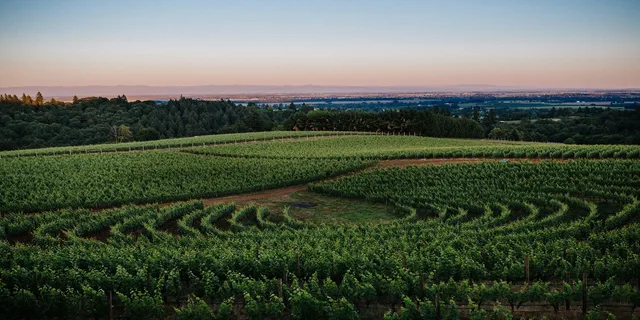
Archery Summit Winery
Dayton · Willamette Valley
Casa S Winery
Dayton · Willamette Valley
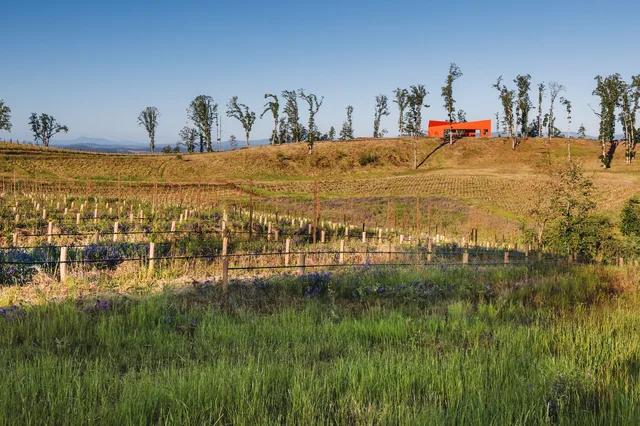
Corollary Wines
Dayton · Willamette Valley
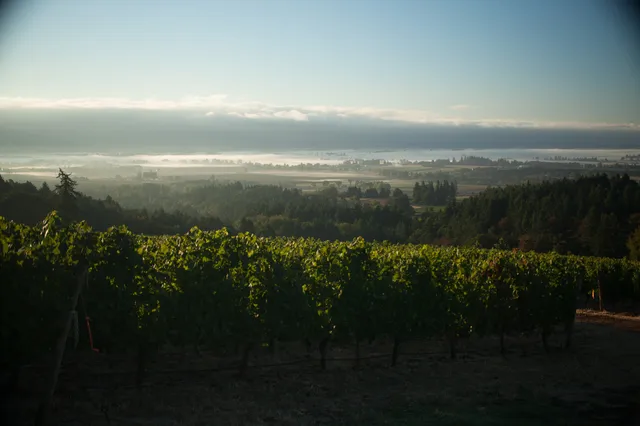
De Ponte Cellars Vineyard and Winery Tasting Room
Dayton · Willamette Valley
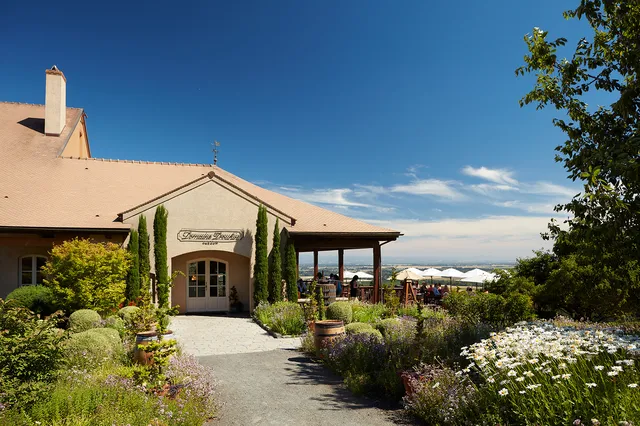
Domaine Drouhin Oregon
Dayton · Willamette Valley
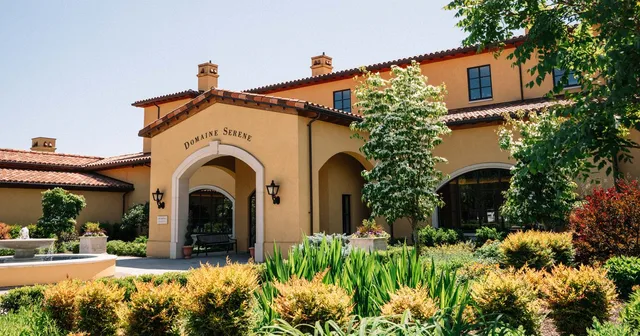
Domaine Serene Winery
Dayton · Willamette Valley
Labels back to 1999
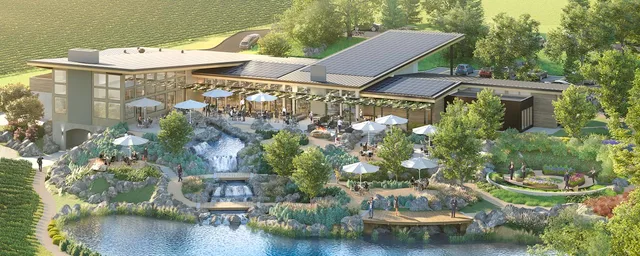
Domaine Willamette
Dayton · Willamette Valley
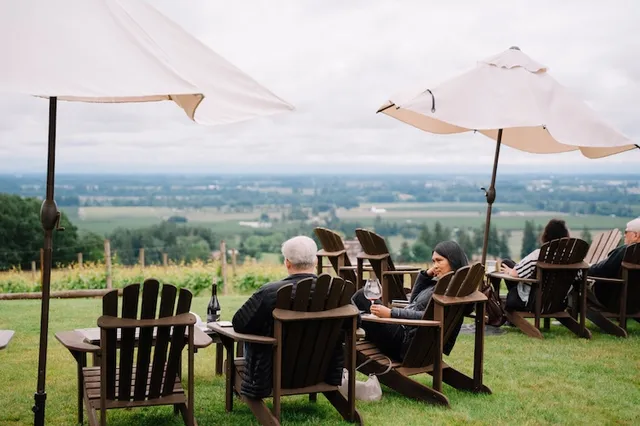
Durant Vineyards
Dayton · Willamette Valley
Hauer of the Dauen Winery
Dayton · Willamette Valley
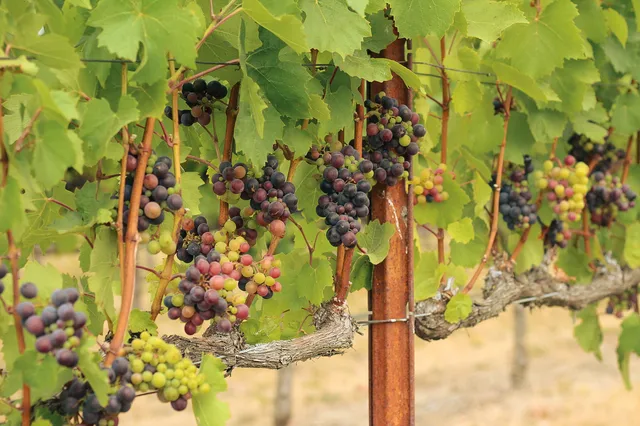
Methven Family Vineyards
Dayton · Willamette Valley
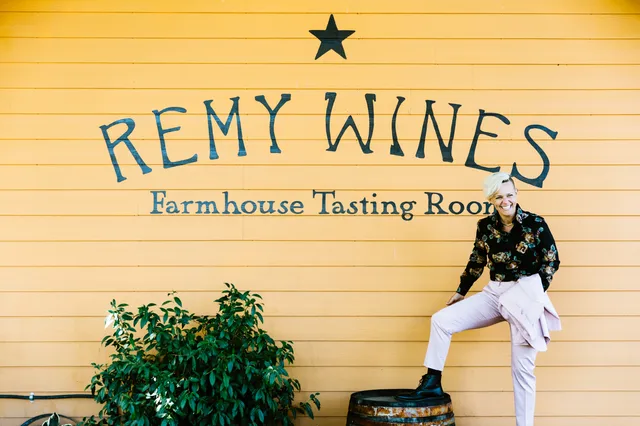
Remy Wines Tasting Room
Dayton · Willamette Valley · Tasting room
Only LGBTQIA+-owned winery in Dayton
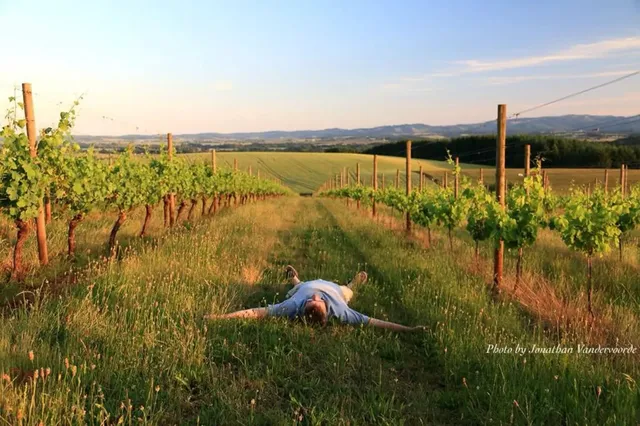
Seufert Winery Tasting Room
Dayton · Willamette Valley
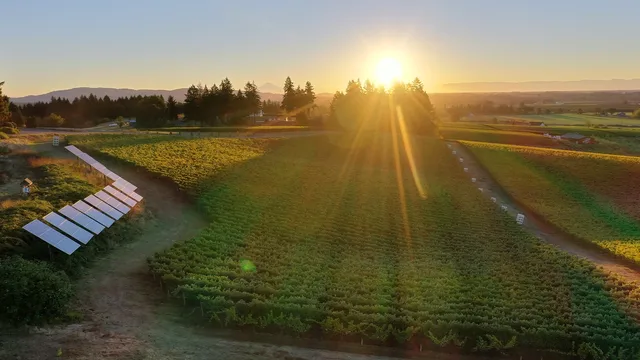
Sokol Blosser Winery
Dayton · Willamette Valley
Only winery with organic wines in Dayton
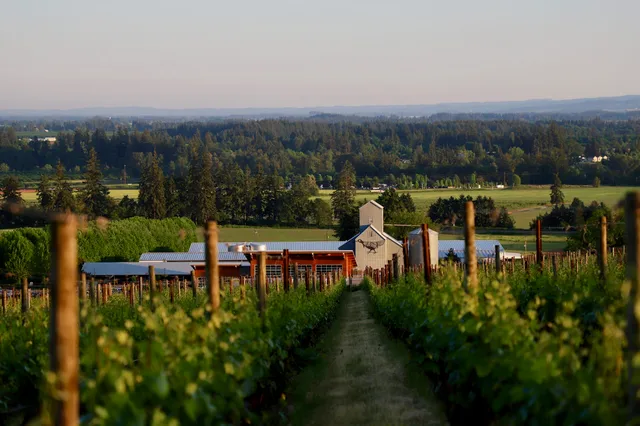
Stoller Family Estate
Dayton · Willamette Valley
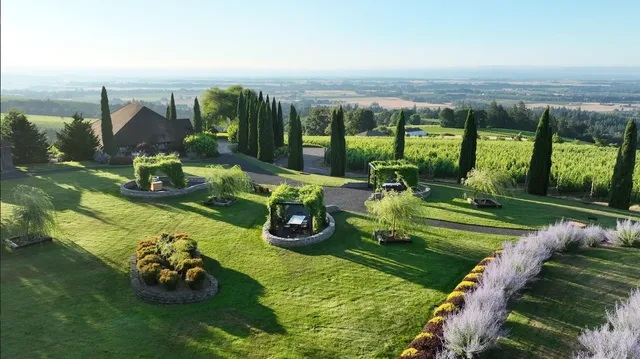
White Rose Estate
Dayton · Willamette Valley
Winter’s Hill Estate
Dayton · Willamette Valley
Region
Other cities in Willamette Valley
Top varieties in Dayton
Frequently asked questions
How many wineries are in Dayton?
16 wineries and tasting rooms are in Dayton, including Archery Summit Winery, Casa S Winery, and Corollary Wines.
What are the best wineries in Dayton?
Best depends on what you're after. For a different kind of visit, Stoller Family Estate is the world's first LEED Gold-certified winery, built on the family's former 700,000-turkey-a-year farm.
Is Dayton worth visiting for wine?
Stoller Family Estate's 2023 Dundee Hills Estate Pinot Noir landed at No. 41 on Wine Spectator's Top 100 Wines of 2025, one of only five Oregon wines to make the list that year. Dayton pairs that pour with the Joel Palmer House on Ferry Street, the 1857 building Condé Nast Traveler called a spot for "wild mushrooms and Pinot Noir in a historic setting."